Is Jamón Ibérico de bellota Healthy? The Science Behind the Fat

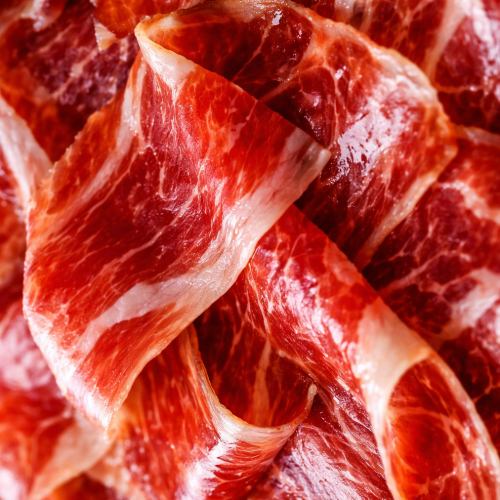
It seems counterintuitive: a rich, decadent cured meat that is not only delicious but also genuinely good for you. For years, we’ve been told to limit red and processed meats. Yet, Jamón Ibérico, the ruby-red jewel of Spanish cuisine, stands apart. So, is Jamón Ibérico healthy? The answer, backed by science, is a resounding yes.
Yes, Jamón Ibérico, particularly the acorn-fed Bellota grade, is a surprisingly healthy food. Its health benefits stem from a unique fat profile rich in oleic acid, a high concentration of quality protein, and a wealth of essential vitamins and minerals. It’s a superfood that feels like an indulgence, fitting perfectly into a balanced, health-conscious lifestyle.
Let’s delve into the science that makes this Spanish delicacy a true powerhouse of nutrition.
The Secret is in the Fat: Oleic Acid, The Olive Oil Connection
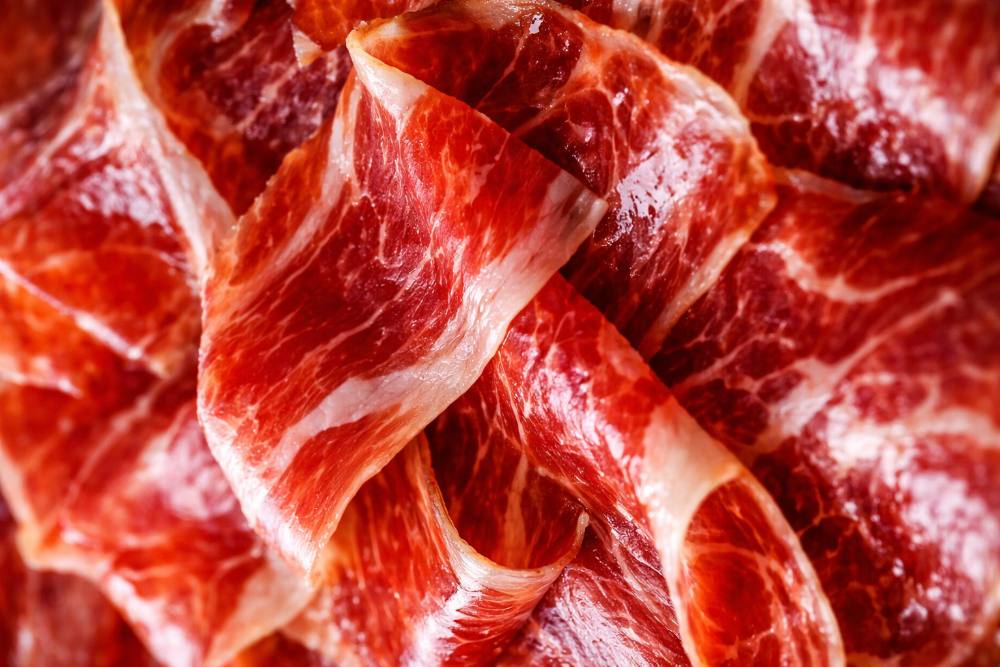
The most significant jamon iberico health benefit lies in its fat. The fat in acorn-fed Jamón Ibérico contains over 55% oleic acid, the same heart-healthy monounsaturated fatty acid that makes extra virgin olive oil a celebrated cornerstone of the Mediterranean diet.
Oleic acid is a type of omega-9 fatty acid that has been extensively studied for its positive effects on cardiovascular health. Its primary role is to help the body produce high-density lipoprotein (HDL), often called “good cholesterol,” while simultaneously reducing low-density lipoprotein (LDL), or “bad cholesterol.” A healthy balance of HDL and LDL is crucial for preventing the buildup of plaque in the arteries, which can lead to heart disease.
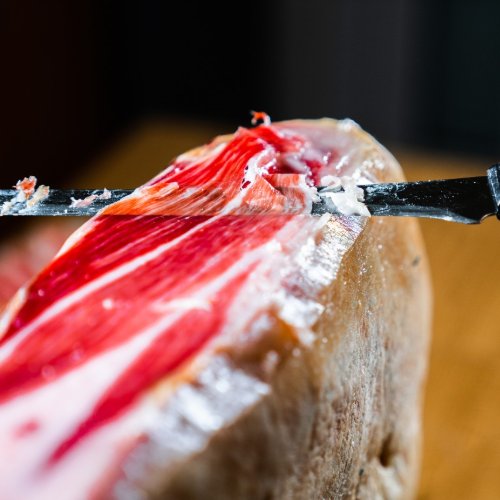
The fat in Jamón Ibérico literally melts at room temperature, a tell-tale sign of its high unsaturated fat content. This soft, luscious texture is not just a mark of quality; it’s a direct indicator of its healthy composition.
Not All Jamón is Created Equal: The Bellota Difference
To understand the iberico ham nutrition story, it’s crucial to distinguish between the grades of Jamón Ibérico. Jamón Ibérico de Bellota is healthier than other grades because the pigs’ acorn-rich diet during the montanera season naturally infuses the meat with a higher concentration of beneficial oleic acid.
During the montanera (from October to March), pure-bred Iberian pigs roam freely in the oak-meadow pastures of Spain, known as the dehesa. They feast on fallen acorns (bellotas), which are packed with oleic acid. This natural, free-range diet, combined with the pigs’ unique genetic ability to infiltrate fat into their muscle tissue, results in the marbled, nutrient-dense meat that sets Bellota ham apart.
In contrast, Cebo de Campo and Cebo grade hams come from pigs that are fed a diet supplemented with or entirely composed of grains and commercial feeds. While still a high-quality product, their fat does not achieve the same high levels of oleic acid as their acorn-fed counterparts. If you want to experience the full health benefits, always look for the Bellota designation.
A Powerhouse of Protein, Vitamins, and Minerals
Beyond its remarkable fat profile, iberico ham nutrition is impressive across the board. Jamón Ibérico packs over 24 grams of high-quality, easily digestible protein per 100g serving, along with a rich array of essential vitamins and minerals, making it far more than just a tasty treat.
This protein density is about 50% higher than that of fresh pork, a result of the long curing process (24-48 months) where the ham loses water and concentrates its nutrients. This makes it an excellent food for muscle development and repair.
Here is a snapshot of the nutritional value you can expect from a typical serving:
| Nutrient (per 100g) | Amount | Key Benefit |
|---|---|---|
| Calories | ~250 kcal | Moderate energy density |
| Protein | 24 – 43g | Muscle synthesis, satiety |
| Fat | ~17g | Rich in healthy oleic acid |
| Carbohydrates | 0g | Keto-friendly, no blood sugar spike |
| Vitamin B1 & B2 | 24% RDI | Energy metabolism, nerve function |
| Iron | ~3 – 4 mg | Prevents anemia, oxygen transport |
| Zinc | ~2.5 mg | Immune function, cell growth |
| Phosphorus | 30% RDI | Bone health, energy production |
| Selenium | High | Powerful antioxidant properties |
| Vitamin E | Present | Antioxidant, skin health |
Jamón Ibérico is particularly rich in B vitamins like B1 (thiamine) and B2 (riboflavin), which are vital for converting food into energy. Just 100 grams of Iberian ham provides 24% of the recommended daily intake of these vitamins. It is also an excellent source of minerals like iron and zinc, which are crucial for immune function and overall vitality. Notably, it provides 30% of the daily recommended intake of phosphorus. Learn more about the full nutrition facts of Ibérico ham.
Antioxidant Properties: Vitamin E and Beyond
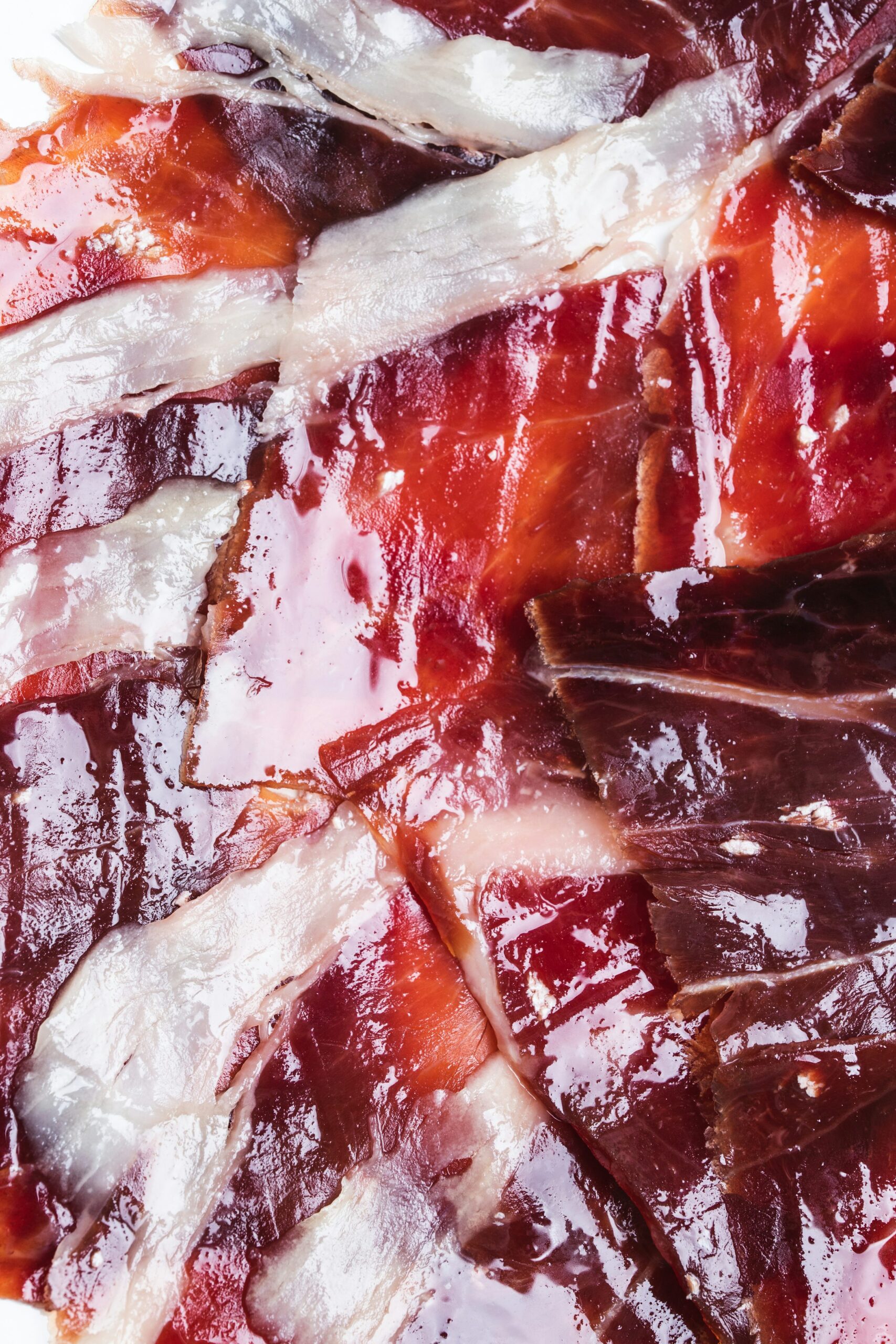
Jamón Ibérico is a natural antioxidant, rich in vitamin E, which helps protect cells from oxidative damage. The acorn diet of Bellota-grade pigs is the source of this vitamin E content, as acorns themselves are rich in tocopherols (a form of vitamin E).
Antioxidants play a critical role in reducing inflammation and protecting against chronic diseases. When you enjoy Jamón Ibérico with tomato — a classic Spanish pairing — the beneficial antioxidant effects are doubled, as the lycopene in tomatoes complements the vitamin E in the ham.
Jamón Ibérico vs. Other Cured Meats: A Healthier Choice
How does Jamón Ibérico stack up against other popular cured meats? Compared to other cured meats like Serrano ham, prosciutto, or bacon, Jamón Ibérico consistently offers a superior nutritional profile with lower sodium and a significantly higher percentage of healthy oleic acid.
| Nutrient (per 100g) | Jamón Ibérico | Jamón Serrano | Prosciutto | Bacon |
|---|---|---|---|---|
| Oleic Acid (% of fat) | ~55% | ~45% | ~48% | ~35% |
| Sodium | ~1,200 mg | ~2,300 mg | ~2,500 mg | ~1,717 mg |
| Calories | 250 kcal | 214 kcal | 237 kcal | 541 kcal |
| Protein | 24g | 32g | 25g | 37g |
| Saturated Fat | 6g | 3.6g | 4.5g | 14g |
The two most important takeaways from this comparison are the oleic acid and sodium levels. The higher oleic acid content makes Jamón Ibérico a more heart-healthy choice, while its significantly lower sodium content — nearly half that of Serrano and prosciutto — makes it a better option for those monitoring their blood pressure.
How Jamón Ibérico Fits Into Your Healthy Lifestyle
Jamón Ibérico is not just a food; it’s a versatile ingredient that enhances a healthy diet.
The Mediterranean Diet Connection
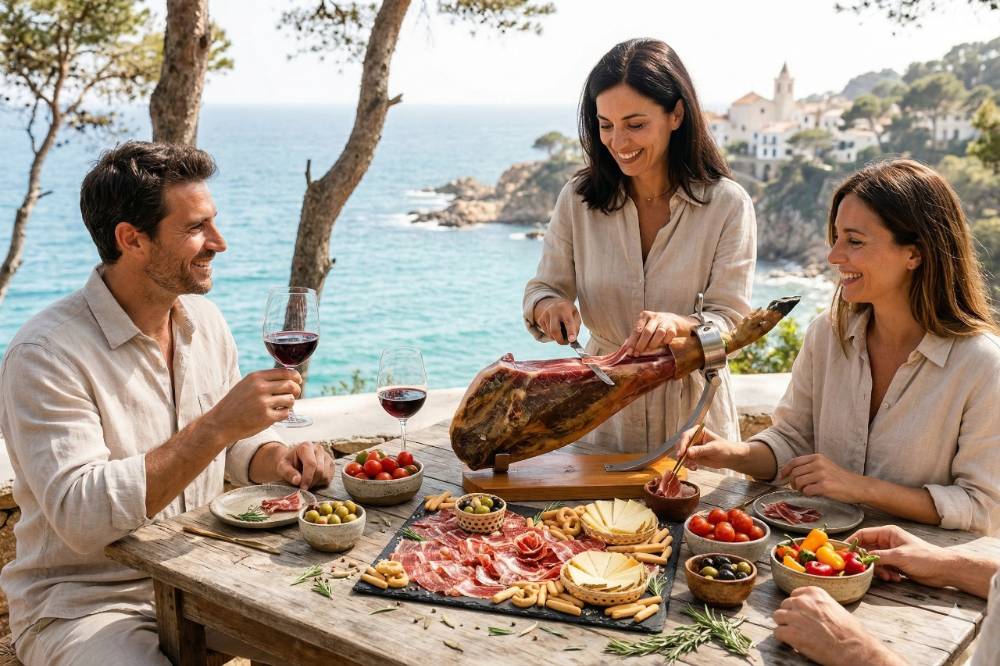
As a traditional Spanish delicacy, Jamón Ibérico is a natural and celebrated component of the heart-healthy Mediterranean diet. This eating pattern, rich in fruits, vegetables, whole grains, and healthy fats from sources like olive oil, nuts, and fish, is globally recognized as one of the best for long-term health and longevity. Jamón Ibérico fits seamlessly into this framework, providing high-quality protein and monounsaturated fats without the need for cooking or preparation.
Is Jamón Ibérico Keto-Friendly?
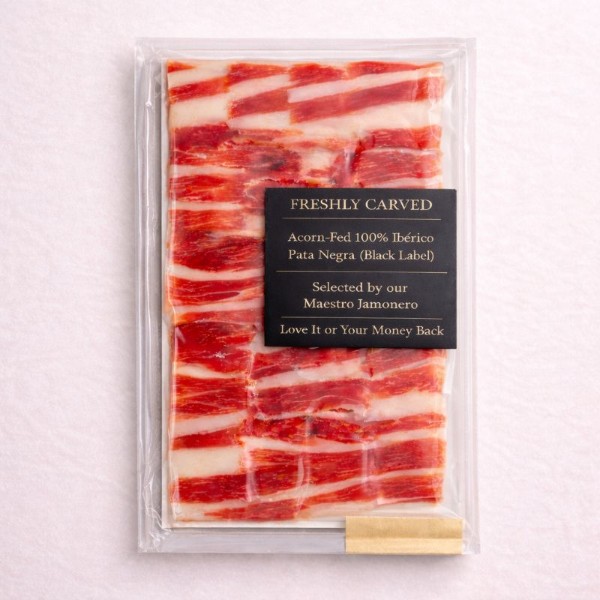
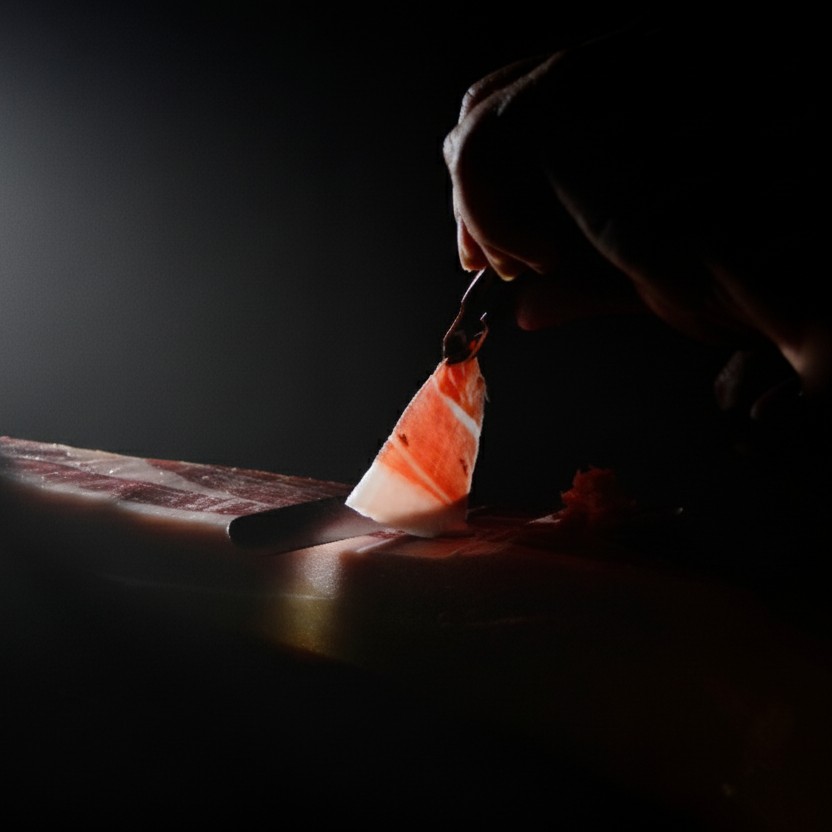
Absolutely. With zero carbohydrates and a high content of both protein and healthy fats, Jamón Ibérico is an ideal food for anyone following a ketogenic (keto) diet. It provides essential nutrients and a feeling of satiety without impacting blood sugar levels, helping you stay in ketosis while enjoying a gourmet experience. A few slices of hand-carved Jamón Ibérico de Bellota make for a perfect keto snack.
Moderation and Serving Size Guidance
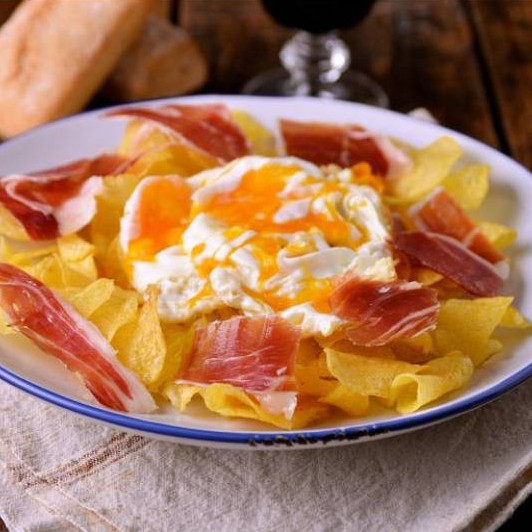
While incredibly healthy, Jamón Ibérico is still a calorie-dense food. A typical recommended serving size is about 1 to 2 ounces (30-50 grams), which provides roughly 75 to 125 calories. Enjoying it in moderation as part of a balanced diet is the best way to reap its benefits without overdoing the calories or sodium. Think of it as a flavorful accent to meals — draped over melon, paired with cheese, or enjoyed on its own as a high-protein snack.
Ready to experience the health benefits for yourself? Explore our curated selection of Jamón Ibérico de Bellota.
Frequently Asked Questions About Jamón Ibérico Health Benefits
Is the fat on Jamón Ibérico healthy to eat?
Yes, the visible fat on high-quality Jamón Ibérico de Bellota is the primary source of its healthy oleic acid. It is meant to be eaten with the meat for the full flavor and health experience. This fat contains over 55% oleic acid, the same monounsaturated fatty acid found in olive oil.
Can you eat Jamón Ibérico if you have high cholesterol?
Because it is high in monounsaturated oleic acid, Jamón Ibérico can actually help raise HDL (good) cholesterol and lower LDL (bad) cholesterol. When eaten in moderation, it can be part of a cholesterol-conscious diet. Always consult your doctor for personalized advice.
How does Jamón Ibérico compare to olive oil nutritionally?
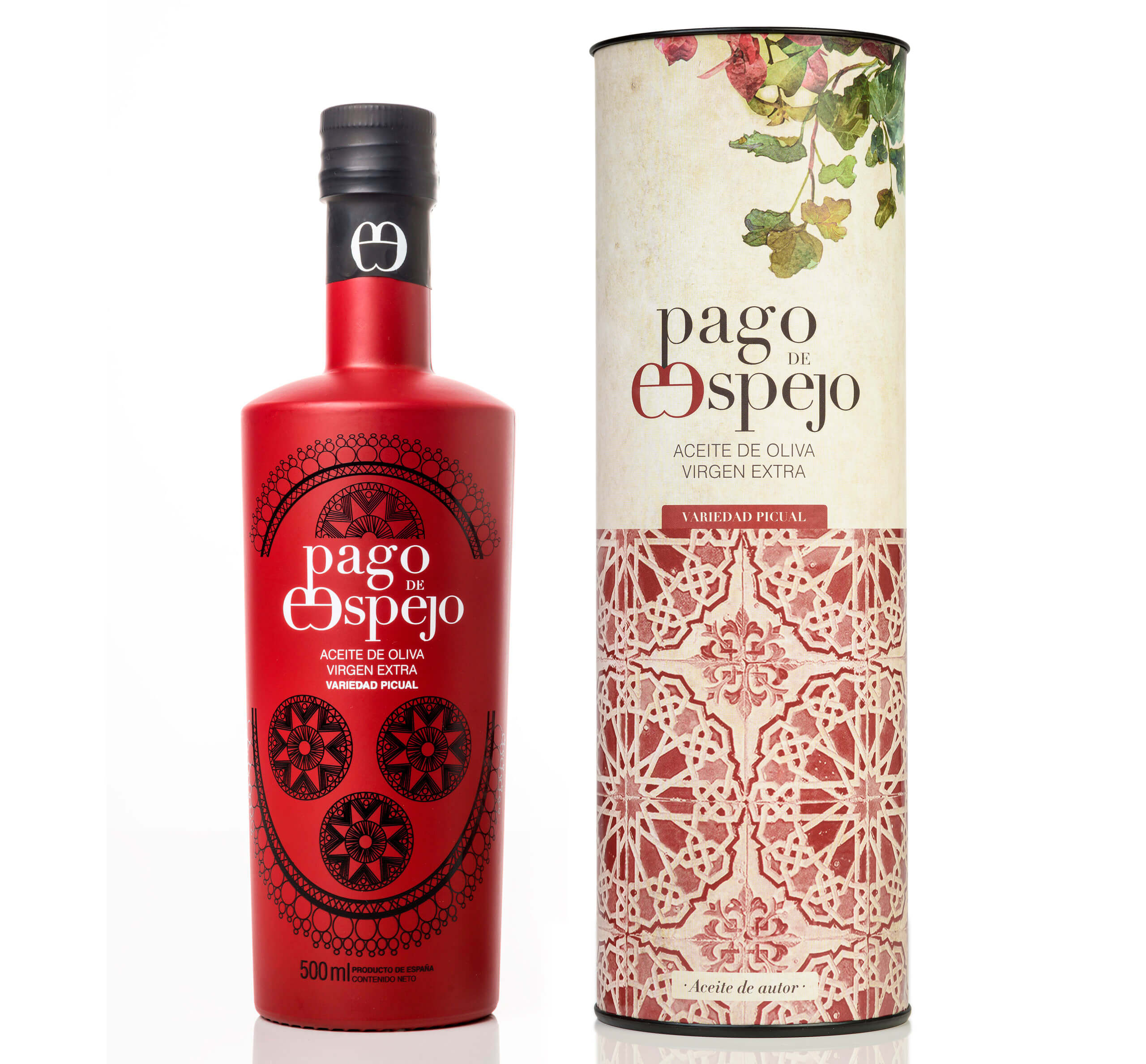
Jamón Ibérico contains the same primary type of healthy fat — oleic acid. While olive oil is nearly 100% fat, Jamón Ibérico offers the double benefit of providing this healthy fat alongside high-quality protein (24g per 100g) and essential micronutrients like B vitamins, iron, and zinc.
Is Jamón Ibérico considered a processed meat?
While it is technically a processed meat due to the curing process, it is fundamentally different from industrial products like bacon or deli sausages. Traditional Jamón Ibérico is made with only sea salt and time, with no added artificial chemicals, making it a whole-food product.
Can I eat Jamón Ibérico on a low-sodium diet?
Jamón Ibérico has significantly less sodium (~1,200 mg per 100g) than many other cured meats like Serrano (~2,300 mg) or prosciutto (~2,500 mg). A small 30-50g serving provides only 360-600 mg of sodium, which can fit into a sodium-conscious diet when balanced with other low-sodium foods.
Is Bellota grade really that much healthier than Cebo grade?
Yes. The acorn diet of Bellota pigs directly leads to a higher concentration of oleic acid in the fat (55-60% vs. approximately 45% in Cebo). This makes Bellota grade a demonstrably more heart-healthy option. The free-range lifestyle also contributes to a leaner, more marbled meat.
Where can I buy authentic, healthy Jamón Ibérico de Bellota?
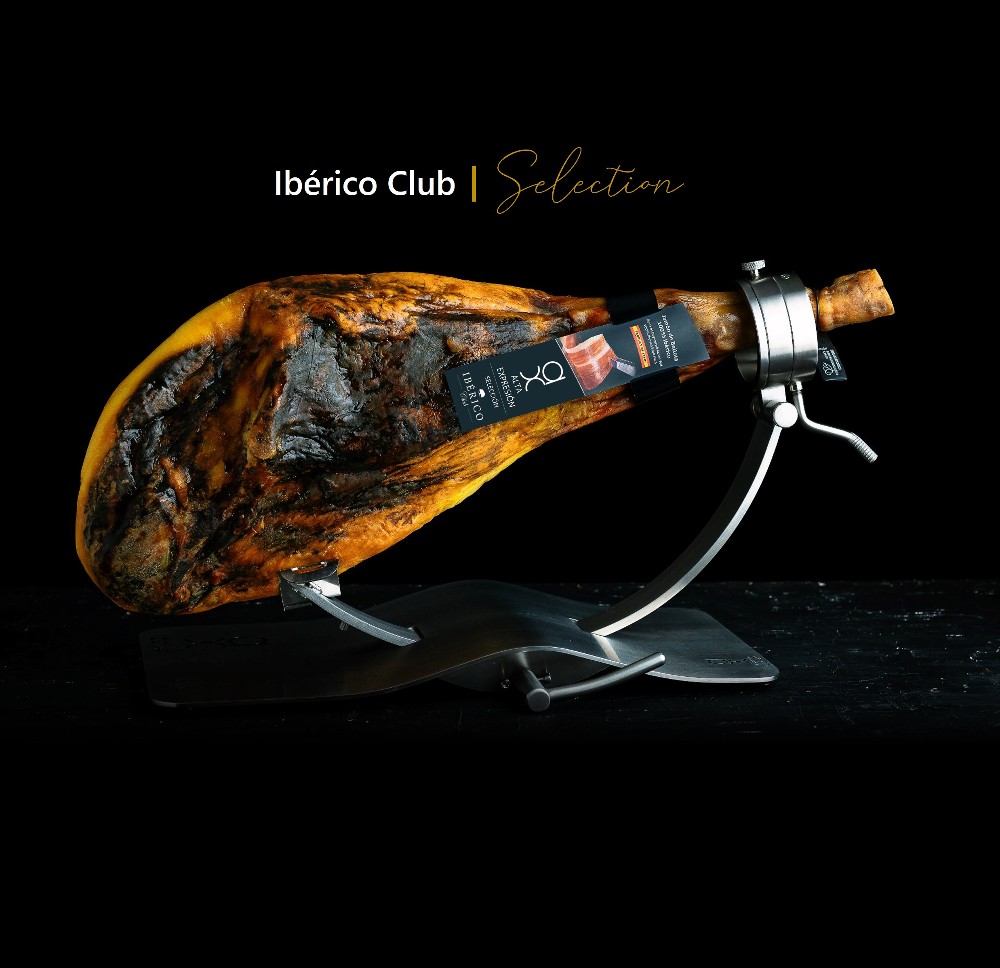
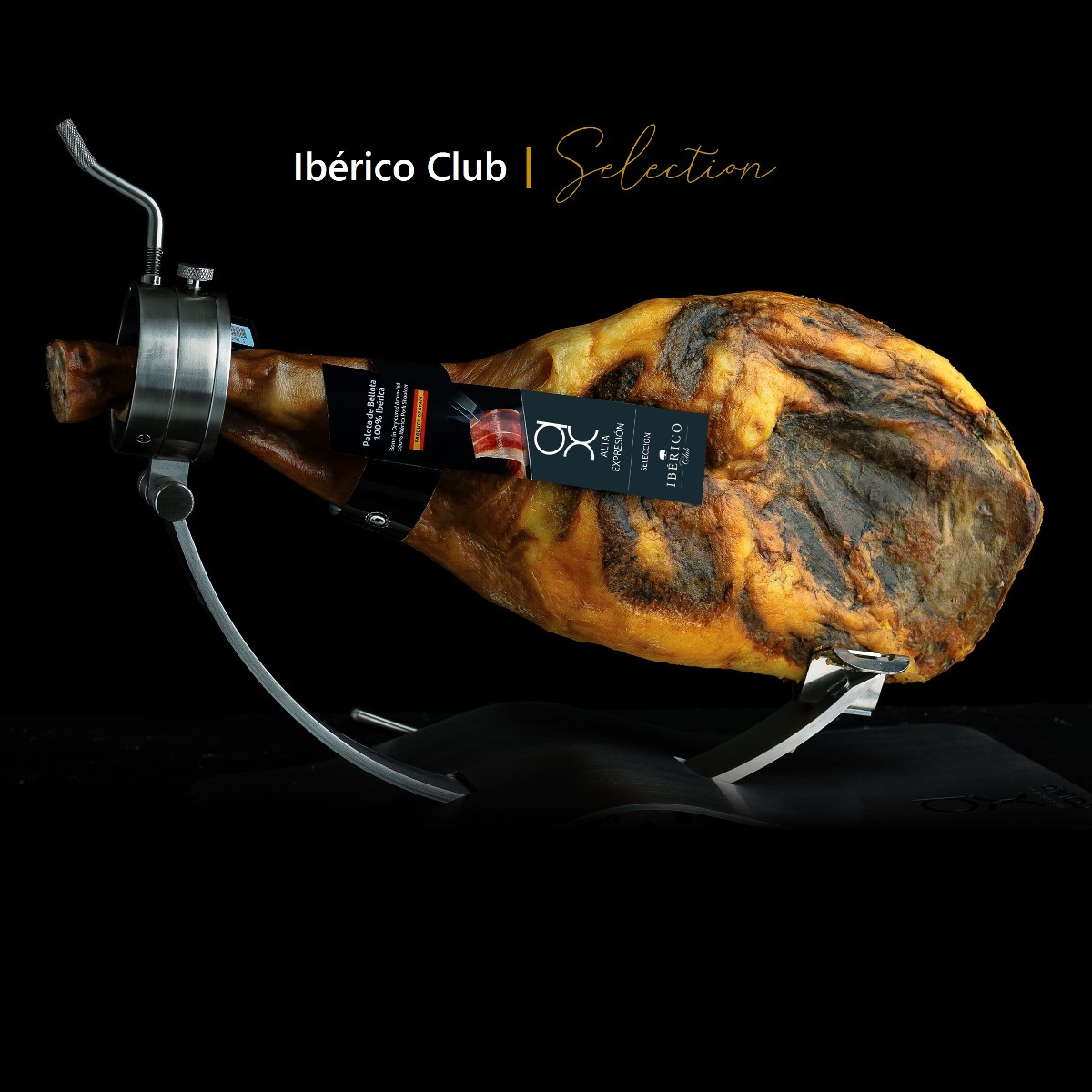
You can explore a curated selection of authentic, acorn-fed Jamón Ibérico de Bellota — including whole legs, hand-carved slices, and subscription boxes — right here at Iberico Club.

Comments