

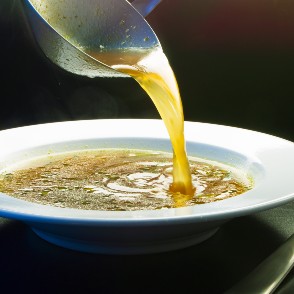
Delectable Jamón Ibérico de Bellota Broth

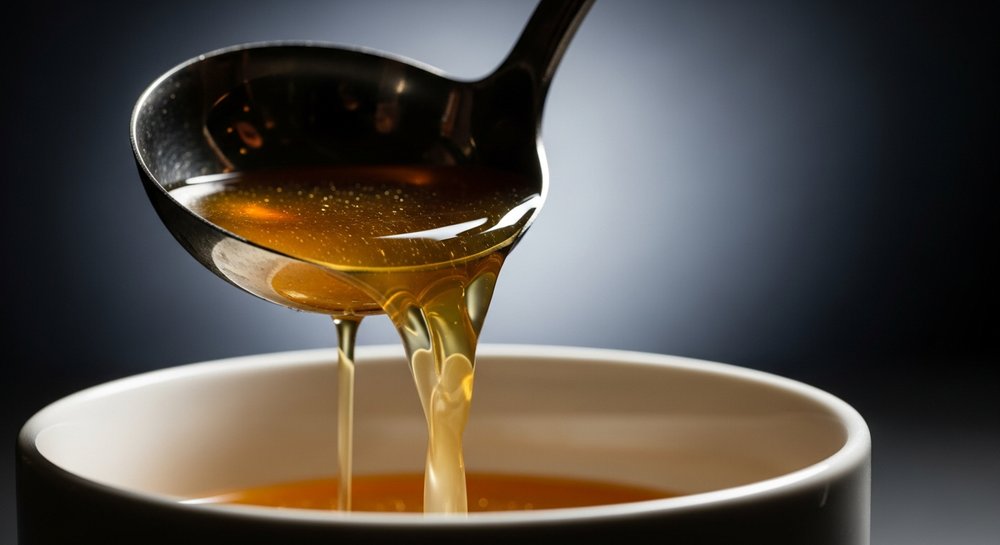
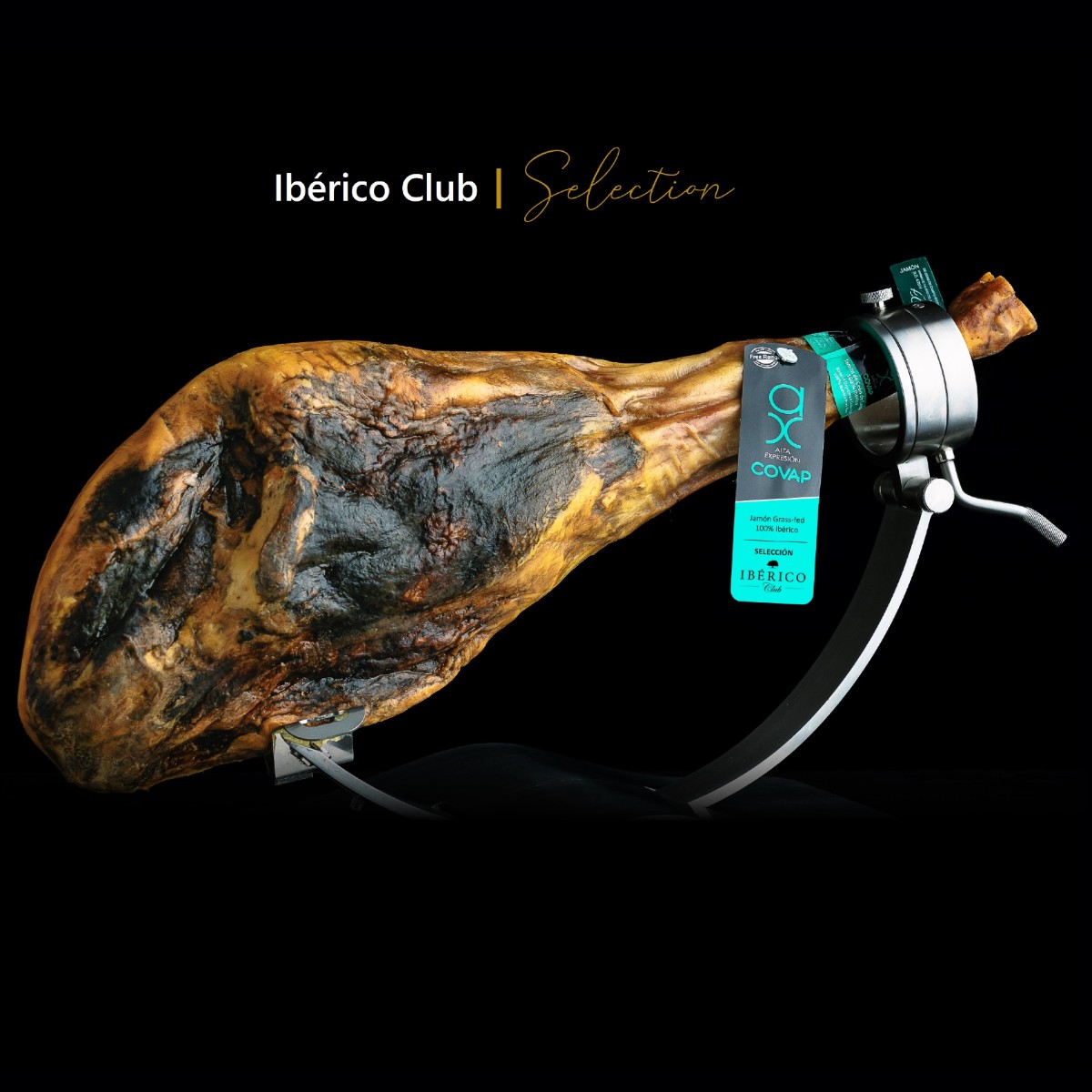
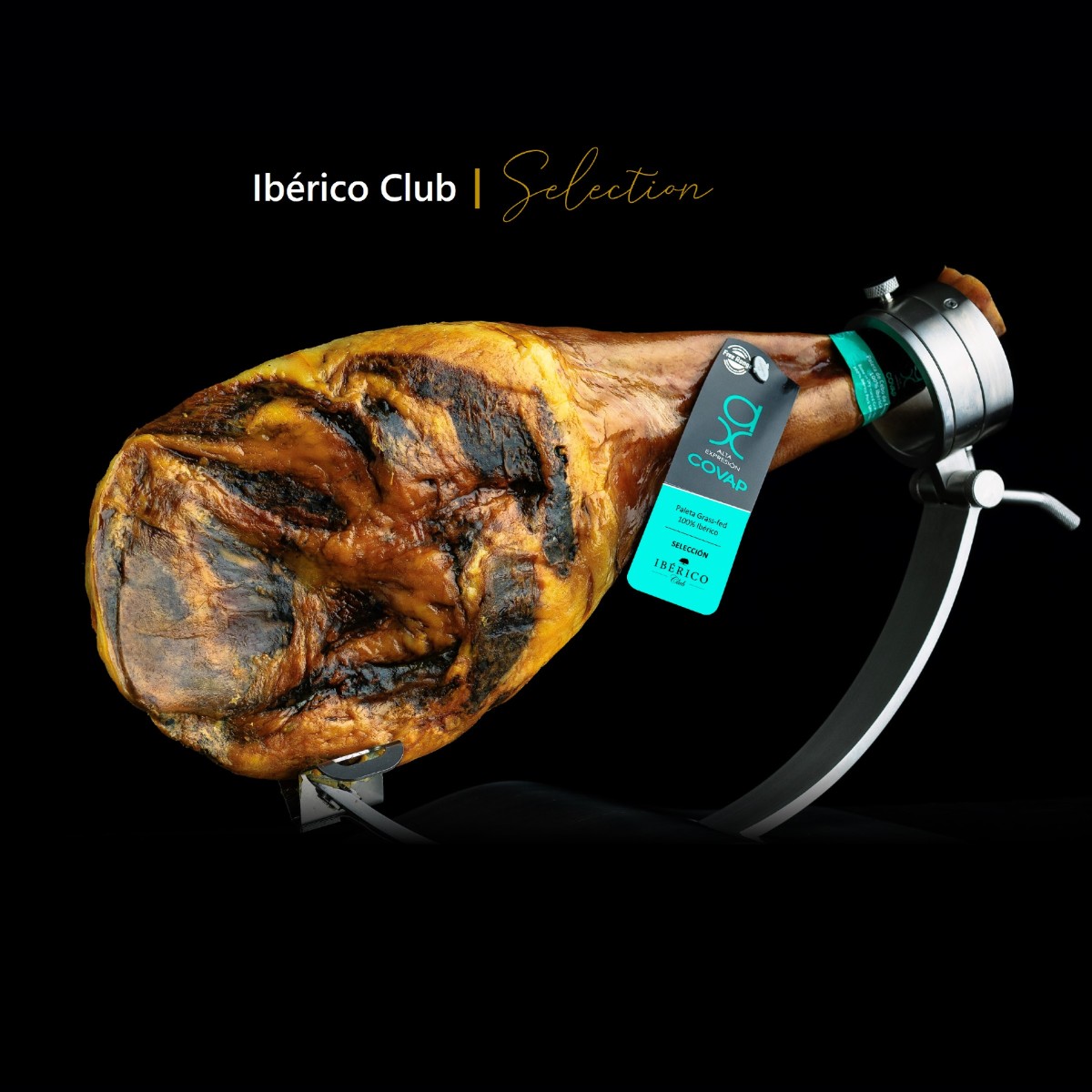
The bones of a whole Jamón Ibérico de Bellota represent one of the most underutilized treasures in Spanish cooking. Most home cooks carve the ham, enjoy the meat, then discard the bones—a waste. In Spain, every part of the jamón has purpose. The bones become the foundation of something that elevates everything you cook with it.
The Story Behind This Dish
In the kitchens of Andalucía, using every part is not virtue—it’s efficiency. A single jamón bone contains years of acorn feeding in its collagen and marrow. When you simmer those bones for hours, you’re extracting the essence of the Dehesa—the mineral earth, the time, the animal’s diet. This is stock as terroir. It’s why Spanish cooks use jamón bone broth for consommés, for sauce bases, for simple bowls of soup that taste like nothing else.
Ingredients
- Bones from 1 Jamón Ibérico de Bellota (2-3 large pieces)
- 2 medium onions, halved (skin on)
- 4 large carrots, cut into thirds
- 1 leek, white and light green parts, halved lengthwise
- 8-10 whole black peppercorns
- 3-4 bay leaves
- 4-5 sprigs fresh thyme
- 2 cloves garlic, crushed
- 3 tablespoons extra virgin olive oil
- 4 quarts cold water
- Hand-harvested sea salt to taste
How to Make It
Prep the bones: If your bones are large, ask your butcher to cut them into 3-4 manageable pieces, or use a small hacksaw at home. Rinse them under cold water to remove any surface debris, but don’t scrub aggressively—some of that meat debris adds flavor.
Roast for depth: Place bones and halved onions (skin on) in a large roasting pan. Drizzle with olive oil. Roast at 425°F for 25-30 minutes, until the bones and onions are deeply caramelized. This step is essential—it builds the flavor foundation.
Build the broth: Transfer roasted bones and onions to a large stockpot. Add carrots, leek, peppercorns, bay leaves, thyme, and garlic. Add cold water until everything is submerged by 2 inches. Bring to a gentle boil, then immediately reduce to a bare simmer. You want the occasional lazy bubble, not a rolling boil.
Skim and simmer: After 5-10 minutes, skim off the gray foam that rises to the surface. This improves clarity and refinement. Simmer for 4-6 hours. The longer you go, the richer the extraction. At 4 hours, you’ll have exceptional broth. At 6, it becomes almost velvety.
Finish and strain: Strain through a fine-mesh sieve, pressing gently on solids to extract liquid without cloudiness. Season with hand-harvested sea salt. The broth will be golden amber, with a silky body and a subtle umami that tastes deeply of ham and earth.
Tips for the Best Result
- Temperature matters: Keep your heat low. Boiling aggressively emulsifies fat and breaks down solids into the liquid, making it cloudy. Patient simmering yields clear, refined broth.
- Don’t skip roasting: Raw bones make thin broth. The caramelization step is where 40% of the flavor comes from.
- Make it in volume: This broth freezes beautifully for months. When you finish a ham, freeze bones until you have enough for a full pot.
- Taste before seasoning: Jamón bone broth is already salty—season conservatively.
- Gel test: When cooled, good broth should gel slightly due to collagen. If it’s liquid when cold, your extraction wasn’t complete enough.
Wine Pairing
Use this broth as the base for consommés paired with Burgundy or aged Tempranillo. The broth’s savory depth demands wines with structure and secondary flavors. If serving as a simple soup with bread, a dry Manzanilla sherry works—the salinity echoes the ham, while the wine’s dryness balances the fat.
Frequently Asked Questions
How long can I store jamón bone broth?
Refrigerated, it keeps 4-5 days. Frozen, it lasts 3-4 months. Freeze in ice cube trays for easy portions, or in larger containers for soups and sauces.
Can I use just the knuckle bone, or do I need the whole leg bone?
Knuckle bones and joints have more collagen and marrow, so they make richer broth. But any part of the jamón bone works. If you have only the thin shaft, add an extra 1-2 hours to the simmer time.
My broth turned cloudy—did I do something wrong?
Not necessarily. Cloudiness usually means you boiled too aggressively early on, or didn’t skim properly. It still tastes excellent—it’s just not clear. For perfect clarity next time, start with cold water, bring to a gentle simmer, skim aggressively, and maintain a bare bubble.
Ingredients
- Bones from leg of 1 Jamón 100% Ibérico de Bellota leg, cut into pieces*
- 3.5 qt. water
- 1 leek, cut into thirds
- 1 onion, cut into fourths
- 6 cloves garlic
How to prepare
- Remove any yellowed or overly dry parts from the jamón leg.
- Bring a large pot of water to boil (you will throw this out, so quantity is not important). Once water is boiling, add jamón bones. Boil for about 3 minutes, or until the jamón turns white. This step helps to remove any impurities and excess fat.
- Remove jamón bones and throw out the water.
- Place bones back into pot and cover with 3.5 quarts of clean water. Place vegetables on top and cook covered on low heat for two hours.
- Every 30 minutes, uncover and skim any more impurities that float to the top.
- After broth has finished cooking, remove from heat and let it rest for at least half an hour.
- Skim any fat that has risen to the top and strain the broth.
- Add salt to taste.

Comments