

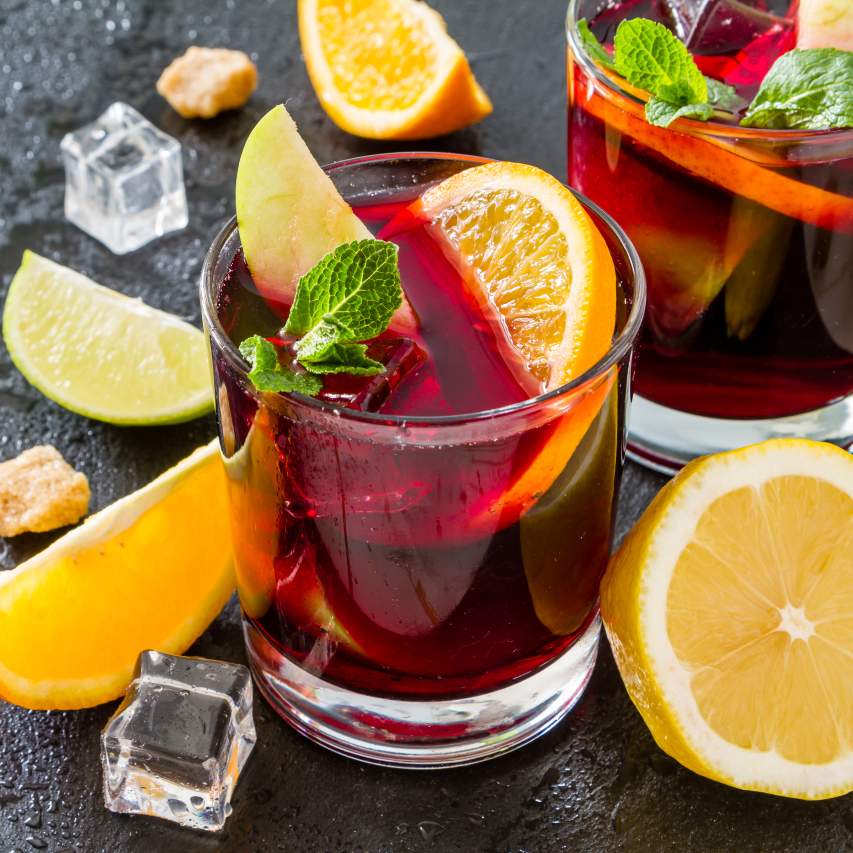
The most delicious sangria recipe!

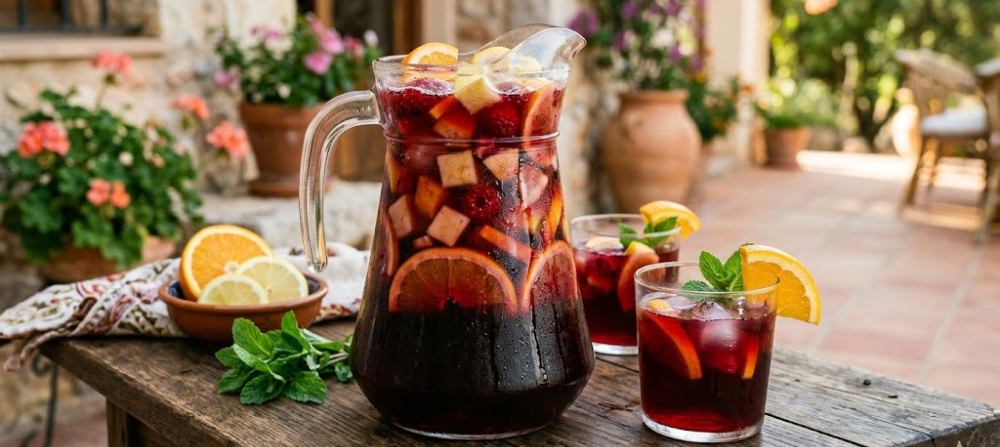 Every American has a memory of sangria that’s probably not great. Too sweet. Too boozy. Tasting mostly of fruit juice and rum and whatever fruit got thrown in last. This is not sangria’s fault. It’s ours. We took a simple, balanced Spanish drink and turned it into something that tastes like we’re trying to hide cheap wine behind sweetness. The truth about sangria is simpler: it’s wine, fruit, a touch of sweetness, and time. That’s it. Understanding why those elements work together is the secret.
The Story Behind This Drink
Sangria is Spanish in name and origin, but it’s not pretentious. It didn’t start in palaces of Castile or in wine cellars of La Rioja. It started in taverns and in homes, as a way to make cheaper wine more interesting by adding fruit and a touch of sugar. It’s a drink of improvisation, of using what you have on hand. The word itself comes from sangre, meaning blood—referring to deep red color of original preparations.
What transformed sangria in Spanish consciousness was the same thing that makes all great Spanish food great: respect for ingredient. By the 20th century, sangria had become a cultural product, served at meals and celebrations, made with intention and care. The balance shifted. Instead of hiding bad wine under sugar and fruit, the goal became creating a drink where wine was still the star, and fruit and sugar were supporting players.
In Spain, good sangria is simple enough to make at home for a summer afternoon with friends, but thoughtful enough to serve at a dinner party. It’s neither too sweet nor too austere. It’s refreshing without being cloying. It’s the drink of Spanish summer, the taste of long meals that extend into evening, of conversations that don’t have an end time.
Ingredients
- 1 bottle (750 ml) quality Spanish red wine (a Tempranillo or Garnacha works perfectly)
- 2 cups fresh orange juice (about 4-5 fresh oranges, not from concentrate)
- 1/4 cup reserva sherry vinegar or quality red wine vinegar
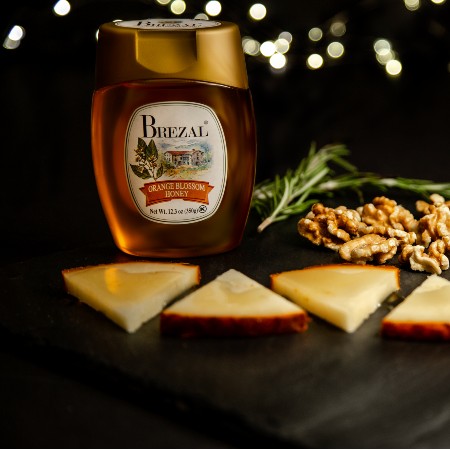
- 1/4 cup orange blossom honey or 2 tablespoons sugar (honey adds complexity, sugar is simpler and more traditional)
- 2 tablespoons brandy (optional, but traditional)
- 1 large apple (Gala or Honeycrisp), cored and sliced into thin wedges
- 1 large orange, sliced into thin rounds
- 1/2 lemon, sliced into thin wheels
- Ice cubes for serving
- Optional: sprig of fresh mint or cinnamon stick for subtle flavor
The wine is crucial. Don’t use expensive wine—a $12-15 bottle of something you’d be happy to drink on its own is perfect. You want wine with structure and flavor, not something thin and watery. Spanish wine is ideal because sangria is Spanish, and Spanish wine will harmonize with other ingredients more naturally than something from elsewhere.
How to Make It
- Prepare your fruit. Using sharp knife, slice apple into thin wedges, removing core but leaving skin intact (color matters). Slice orange into thin rounds and quarter each round. Slice lemon into thin wheels. Don’t prep more than an hour before you’re ready to use it—fresh fruit oxidizes and loses brightness if it sits too long.
- Make the sangria base. Pour bottle of wine into large pitcher or bowl. Add fresh orange juice, and honey (or sugar). Stir gently until honey is fully dissolved. If using brandy, add it now. The mixture should taste slightly sweet (from honey), fruity (from juice), and clearly of wine. Taste and adjust: if it’s too sweet, add touch more wine. If it’s too tart, add touch more honey. If it tastes like you’re drinking wine and juice together (rather than a unified drink), you haven’t let it rest long enough.
- Add the fruit. Gently add sliced apple, orange, and lemon to sangria base. Stir to combine. If using mint or cinnamon, add now. Cover and refrigerate for at least 2 hours, preferably 4-6 hours. The flavors need time to marry. Don’t worry about fruit absorbing too much liquid or getting waterlogged—that’s actually desired. The fruit releases juices into wine, and wine softens fruit. By serving time, everything has become more unified.
- Serve over ice. Pour sangria into ice-filled glasses, making sure each glass gets some fruit. The ice will chill drink further and dilute it slightly as it melts, which is proper. You want sangria cold but not so cold that flavors are muted.
- Optional: add sparkling water. Some Spanish bars add splash of sparkling water or soda to each glass. This is optional and depends on preference. Some purists say it’s wrong. I’d say it’s a personal choice. If you add it, add just before serving, so bubbles stay active.
Tips for the Best Result
- Use fresh orange juice, not concentrate. This is non-negotiable. Fresh juice tastes different—brighter, more complex. The difference between fresh and concentrate is difference between good sangria and mediocre one.
- Don’t oversweeten. This is where most American sangrias go wrong. The goal is adding just enough sweetness to balance acidity and tannins of wine, not making it taste like punch. You should still taste wine as primary flavor. If you find yourself thinking “this tastes mostly of fruit juice,” you’ve added too much sweetness.
- Let the flavors marry. At least 2 hours in refrigerator is minimum. Better to make sangria morning of evening you’ll drink it, so you have 6+ hours for flavors to blend. First hour tastes like wine with fruit juice added. By hour four, it tastes like sangria—a unified drink where you can’t quite separate components.
- Serve it cold but not frozen. If sangria gets too cold, fruit flavors mute and it becomes more about texture than taste. Cold enough that it’s refreshing, not so cold that you can’t taste it.
- Don’t add more alcohol than specified. Sangria is meant to be lighter drinking experience, not strong drink disguised as pleasant one. The small amount of brandy (optional) adds flavor without pushing alcohol content significantly. If you want to add more, you’re making something else.
Variations Worth Trying
- Blanca (White Sangria): Use dry white wine instead of red, white grape juice instead of orange juice, and add sliced peaches or nectarines along with citrus. Everything else stays the same.
- Rosé Sangria: Use dry rosé wine and orange juice. Excellent for spring or early summer.
- With Sparkling Wine: Make base as written, but add bottle of Spanish Cava (sparkling wine) 30 minutes before serving. This makes it lighter and more celebratory.
Wine Pairing (When Serving Sangria)
Sangria is itself a drink, so pairing it with food is about choosing foods that complement its refreshing, fruity character. Light seafood, grilled vegetables, Spanish cheeses, cured meats—anything summery works. The drink is meant to be refreshing and social, not to overshadow food. Serve it alongside meal, not necessarily with it.
Frequently Asked Questions
How long does sangria keep?
Sangria keeps in refrigerator for 3-4 days, though it’s best within first 24 hours. After that, fruit continues breaking down and releasing flavor, and the drink becomes slightly less balanced. You can make it in advance, but plan on drinking relatively soon.
Can I add rum or other spirits?
You can, but I’d recommend against it. The small amount of brandy is traditional and adds complexity without changing fundamental character of drink. Larger amounts of any spirit will make it taste more like punch and less like Spanish sangria.
Ingredients
- 750 mL bottle of Spanish red wine
- 500 mL ginger ale
- 150 mL triple sec (orange liqueur)
- 100 mL fresh orange juice
- 1 - 3 shots of Spanish brandy
- 1 orange
- 1 lemon
- 1 green apple
- 3 ripe yellow kiwi
How to prepare
- Put some ice cubes in the serving jar.
- Slice all the fruit and add it to the jar.
- Pour the wine, ginger ale, triple sec, brandy, and orange juice.
- Mix it well and leave in the fridge for a few hours. This will marinate the fruit and keep it fresh. Cheers!


Comments