

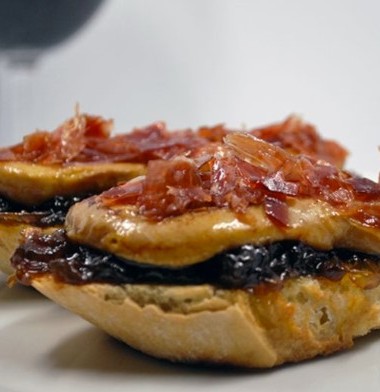
Foie Toast with Jamón Ibérico and Caramelized Onions.

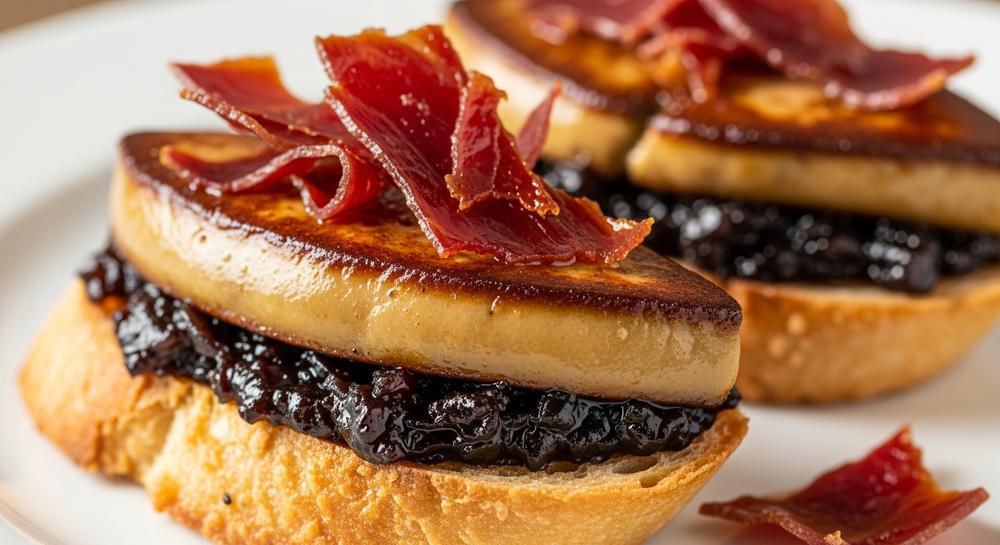
I tasted this dish on a winter evening in San Sebastián, at a small bar where the owner was serving it almost as a dare—a luxury indulgence that felt earned after a long day. Silky foie gras, a paper-thin slice of hand-carved Jamón Ibérico, and onions that had been caramelized slowly until they were nearly black and sweet as jam. It was the kind of tapa that justifies the existence of toasted bread and why Spanish food culture builds around simple components treated with respect.
The Story Behind This Dish
This is a dish that emerged from post-war Spanish haute cuisine, when ingredients like foie gras became accessible again. Rather than adopting French techniques wholesale, Spanish chefs began pairing foie with their own ingredients—jamón, sherry, seasonal vegetables. The combination works because of contrast: the richness of foie against the salt and mineral complexity of jamón, with caramelized onions acting as a sweet, savory bridge.
The brilliance of this tapa is that it looks complicated but requires only timing and restraint. Premium Jamón Ibérico de Bellota, when sliced properly, should be translucent. It has a sweetness that comes from the acorn diet of the pigs and the long curing process. Against this, the earthiness of caramelized onions and the luxury of foie create a moment of indulgence without excess. It’s the kind of dish that defines Spanish coastal gastronomy.
Ingredients
- 4 slices of high-quality white bread or brioche (about ¾ inch thick)
- 200g fresh foie gras (or 150g if using a block; ideally duck foie)
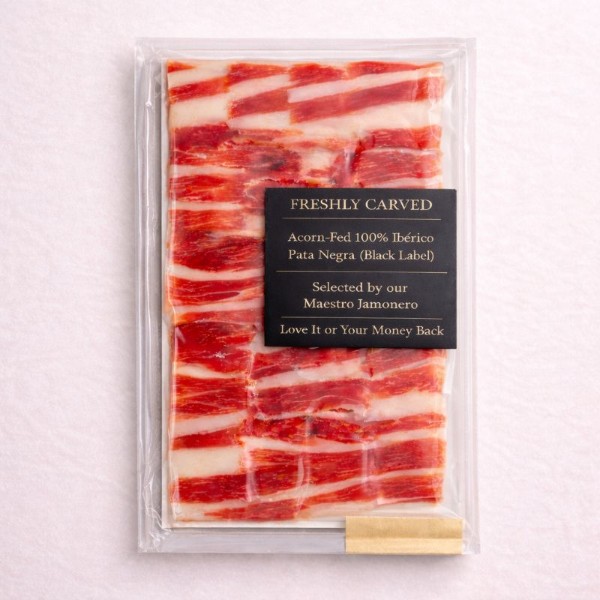
- 8 slices of Jamón Ibérico de Bellota, hand-carved and paper-thin
- 3 medium onions (yellow or Spanish onions), thinly sliced
- 3 tablespoons extra virgin olive oil
- 2 tablespoons unsalted butter
- 1 teaspoon Spanish orange blossom honey
- 1 tablespoon Reserva Jerez sherry vinegar
- Sea salt and freshly ground black pepper
- Optional: 1 teaspoon thyme or sherry for the onions
How to Make It
- Start the onions early. This is not a rushed step. Heat olive oil and butter in a large, heavy-bottomed pan over medium heat. Add your sliced onions and a small pinch of sea salt. The salt draws out moisture and helps them caramelize. Stir occasionally—you’re looking for color, not hurry. This will take 35–45 minutes. Don’t increase the heat to speed it up; that’s how you end up with burnt onions instead of caramelized ones. You want them to go from pale to amber to deep brown gradually.
- Finish the onions. When the onions are deeply caramelized and starting to stick slightly to the pan, add the sherry vinegar and a touch of honey. Stir for another minute. This adds sweetness and acidity that keeps the onions from being one-dimensional. Taste and adjust seasoning. They should taste sweet, salty, and slightly acidic—umami-forward.
- Prepare the foie gras. If you’re using block foie, score it lightly with a sharp knife into portions of about 40–50g each (roughly the size of a thick piece of ginger). If you’re using fresh foie lobes, cut thin slices. Foie is best served cool but not cold; take it out of the fridge 10 minutes before you need it so it’s at a soft, spreadable consistency.
- Toast the bread. Just before serving, toast your bread slices lightly—you want them golden and crispy but not hard. They should still have a slight give in the center. Use a toaster oven or a skillet with a touch of oil. Don’t overdo it; the bread is a platform, not the star.
- Layer quickly and confidently. This is where timing matters. Spread a spoonful of warm caramelized onions on each toast. The warmth will help soften the foie when you add it next. Top with a portion of foie gras—about 40g per toast. The residual heat from the onions and toast will soften it to a luxurious, almost spreadable state without melting it into a puddle.
- Add the jamón. Lay 2 slices of paper-thin Jamón Ibérico over the foie. Don’t press it down; let it rest naturally on the surface. The jamón’s salt and mineral complexity will play beautifully against the foie’s richness.
- Final touch. A grind of black pepper over the top. A tiny pinch of fleur de sel if you want. That’s it. Serve immediately.
Tips for the Best Result
- Don’t rush the onions. Caramelized onions are a slow process, and it’s non-negotiable for this dish. Fast-cooked onions will be sharp and thin; slow-cooked onions develop complexity that complements both the foie and the jamón. Set a timer and be patient.
- Use foie gras that’s fresh and from a quality source. Foie should be creamy and delicate, not grainy or overly firm. If it feels rubbery or has an off smell, don’t use it. Quality foie makes the entire dish. If you can’t find good foie, this dish loses most of its appeal.
- Slice your jamón just before serving. If you’re slicing it yourself (which I recommend), do it as close to service as possible. Jamón exposed to air begins to oxidize and loses its delicate flavor. If you buy pre-sliced, use it within a day.
- The toast is structural, not flavor. Choose a neutral bread that will hold toppings without competing. White bread, brioche, or a neutral sourdough. Nothing with strong grain flavors or seeds. The toast should be crispy enough to support the weight but tender enough not to shatter when you bite through it.
- Serve this as a final tapa or as part of a composed board. This is not an appetizer in the traditional sense. It’s the kind of thing you have with a glass of wine after dinner, or as part of a carefully curated spread. One or two per person is sufficient; the richness goes a long way.
Wine Pairing
This dish demands a wine with elegance and backbone. A dry Amontillado Sherry from Jerez complements foie beautifully—its oxidative, nutty character mirrors the depth of the caramelized onions while its dryness cuts through the foie’s richness. Alternatively, a light Burgundy Pinot Noir or Tempranillo from Rioja adds a subtle berry note that plays well with the jamón’s sweetness. The wine should have structure and slight dryness; avoid anything fruity or sweet.
Frequently Asked Questions
Can I use chicken liver pâté instead of foie gras?
No. Chicken liver pâté is a fundamentally different ingredient with a different texture and flavor. Foie gras has a delicate, buttery quality that pâté simply doesn’t have. If foie is unavailable or out of budget, this dish doesn’t work well as written. Consider making a different tapa instead.
How do I know when to assemble this?
Assemble just before serving—no more than 2–3 minutes before the diner is ready to eat. The foie should be soft but not melted, the onions should be warm, and the toast should be crispy. All three elements need to arrive at their optimal state at the same time. This is a dish that rewards timing.
Can I make the onions ahead?
Absolutely. You can caramelize onions up to 2 days ahead and store them in the fridge. Gently warm them before serving. The toast and foie must be done fresh, but having the onions ready makes the final assembly very quick.
Ingredients
- 1 lb. onions
- 8 tbsp of Extra Virgin Olive Oil
- 1 tbsp of Sugar
- 1 glass of dry white wine
- 4-8 big slices of bread
- 4-8 Slices of Jamón Ibérico (1 Ibérico Club Pack)
- Salt to taste
How to prepare
- Slice the onions and place them in a pot with the sugar and the olive oil.
- Cook them at a very low temperature for 1 hour with the pot covered.
- Once cooked for an hour, add wine and cook for another 30 minutes without covering, at a low temperature.
- Toast the bread and spread the mixture.
- Continue next by preparing a pan on hot temperature until its very hot. Once very hot, cook the duck foie for 30 seconds each side.
- Once the foie is done, place it on top of the caramelized onions and sprinkle a little salt.
- Finally top the toast with some great Jamón Ibérico de Bellota from Ibérico Club

Comments