
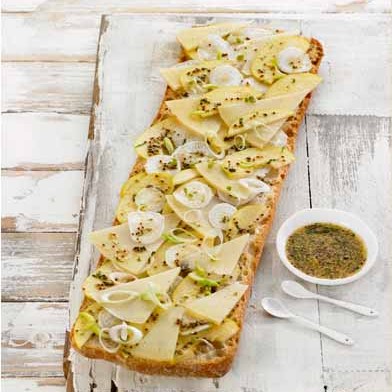
Manchego cheese and Crudités Toast

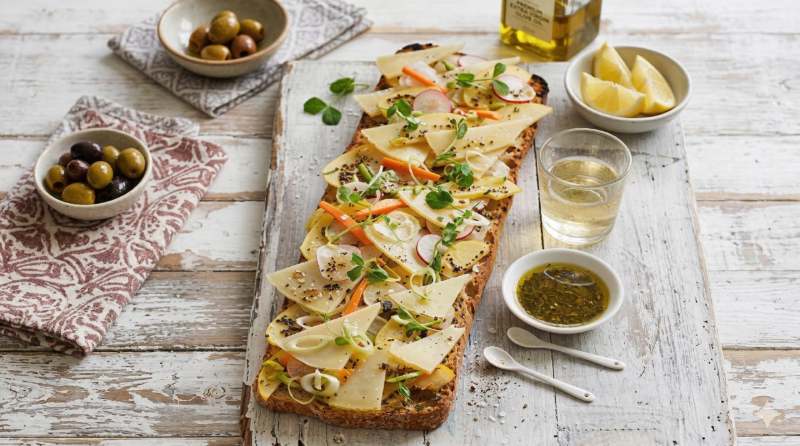 A great tosta is one of Spain’s most underrated culinary achievements: a thick slice of toasted bread, a generous spread of something excellent, and a handful of whatever is fresh and in season on top. This version with Manchego and crudités is bright, textured, and takes about ten minutes to pull together — equally suited to a quiet lunch or an impromptu gathering.
The Story Behind This Dish
The tosta is a staple of Spanish bar culture, and nowhere is it taken more seriously than in San Sebastián, where the pintxos bars of the Parte Vieja compete relentlessly on creativity and quality. Stand at the marble counter of any good bar on Calle 31 de Agosto on a Saturday afternoon and you’ll find toasts topped with everything from bacalao to slow-roasted peppers to aged sheep’s cheese shaved paper-thin over crunchy vegetables. This recipe takes that spirit — great cheese, seasonal vegetables, good bread — and translates it into something you can make at home. Manchego, with its firm texture and clean, buttery flavor, is the natural anchor. The crudités add crunch and color. The combination is simple in the best possible way.
Ingredients
- 4 thick slices of sourdough or country bread
- 100g Manchego cheese (6-month curado or older), thinly shaved or sliced
- 1 small carrot, cut into thin matchsticks or ribbons
- 4 radishes, thinly sliced
- ½ cucumber, thinly sliced or julienned
- Handful of fresh pea shoots or watercress
- 2 tablespoons extra virgin olive oil
- 1 tablespoon sherry vinegar or lemon juice
- Flaky sea salt and freshly ground black pepper
- Optional: a drizzle of good honey to finish
How to Make It
- Toast the bread slices until golden and sturdy — use a grill pan if you have one for good char marks, or a hot oven works well too.
- While the bread toasts, toss the carrot, radishes, and cucumber in a small bowl with the olive oil, sherry vinegar, a pinch of salt, and a few grinds of black pepper. Set aside for 5 minutes to lightly pickle.
- Lay the Manchego slices generously over each warm toast, slightly overlapping.
- Pile the dressed vegetables on top of the cheese, letting them tumble naturally over the bread.
- Scatter the pea shoots or watercress over everything for freshness and color.
- Finish with flaky sea salt, a final drizzle of olive oil, and the optional honey if using.
- Serve immediately while the bread is still warm and the cheese just beginning to soften at the edges.
Tips for the Best Result
- Use a Manchego that has had some aging — a 6-month curado gives the right balance of flavor and texture. Younger fresco Manchego is too mild; aged añejo too crumbly for this application.
- Slice the cheese thin enough that it drapes over the toast rather than sitting in a thick block — you want it in every bite without overwhelming the vegetables.
- The quick pickle on the vegetables makes a real difference. Even 5 minutes in the vinegar brightens everything and keeps the crudités from feeling raw and blunt.
- Serve within a minute or two of assembly — this is a dish that loses something the longer it sits.
Wine Pairing
An Albariño from Rías Baixas in Galicia is the ideal partner — its crisp acidity and subtle salinity cut through the richness of the Manchego and mirror the freshness of the vegetables. It’s one of Spain’s most food-friendly whites and handles this combination effortlessly.
Frequently Asked Questions
What’s the difference between Manchego curado and añejo?
Manchego curado is aged for a minimum of 3–6 months, resulting in a semi-firm cheese with a mild, buttery flavor. Manchego añejo is aged for over a year, developing a drier, more crumbly texture and a sharper, nuttier taste. For layering on toasts, curado is more versatile; añejo is better grated or served on a cheese board.
Can I add protein to make this more filling?
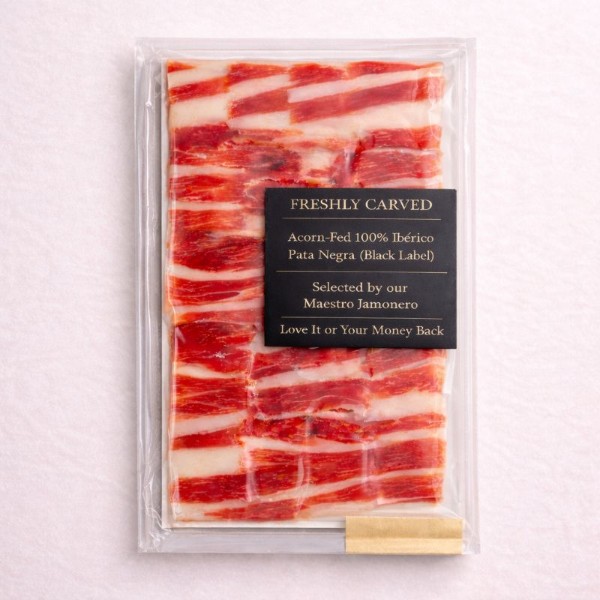
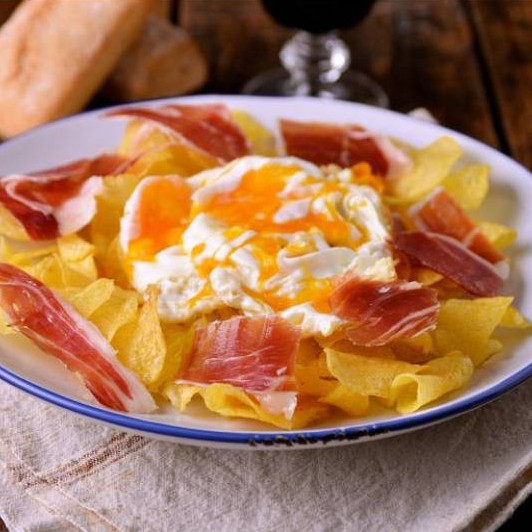
Absolutely. A couple of thin slices of Jamón Ibérico laid under or over the cheese takes this from a light snack to a proper meal. The combination of aged Manchego and Ibérico ham is one of the great pairings in Spanish cuisine — they’re often served together for good reason.
Is Manchego from any producer the same?
Authentic Manchego is a PDO (Protected Designation of Origin) product made exclusively from the milk of Manchega sheep in the La Mancha region of Spain. Look for the characteristic basket-weave rind pattern and the PDO stamp on the label. Imitation “Manchego-style” cheeses made outside Spain taste noticeably different.
Want to cook with genuinely authentic Spanish cheese? Shop our imported Manchego and full Spanish pantry at Ibérico Club — authentic, imported directly from Spain, shipped to your door.
Ingredients
- Ciabatta bread.
- 1 canned white asparagus.
- 1.5 oz of Gran Reserva Manchego Cheese.
- 1 leek (the most tender leaves).
- 1/2 apple.
- 1 tsp of grained Dijon mustard.
- 2 tbsp of extra virgin olive oil.
How to prepare
- Begin by cleaning the asparagus, the leek and the apple.
- Remove the skin off the apple.
- Thinly slice the asparagus, the tender white leek leaves and apple and dress them with mustard and olive oil.
- Take out the ciabatta loaf bread, cut it in a half and place in a preheated oven at 450F for 5 minutes.
- Once the 5 minutes have lapsed, take the bread out of the oven and start plating it.
- Place the thinly sliced crudités (vegetables) and dressing them over the toast followed by thin slices of the Manchego Cheese over the top.
- Last but not least, cut into smaller parts if desired and enjoy! :-)
For the delicious Manchego in this recipe, visit us here.
‣ For the best delicacies from Spain in the USA visit us at IbericoClub.com
View our free Tapas Academy video recipes!


Comments