

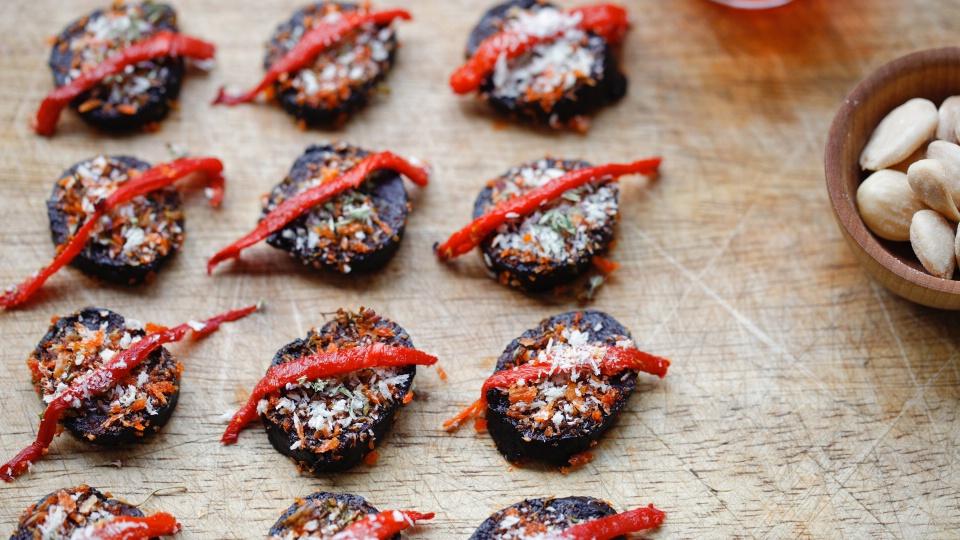
Delicious Morcilla Iberica de Bellota Bites (with Piquillo Peppers)

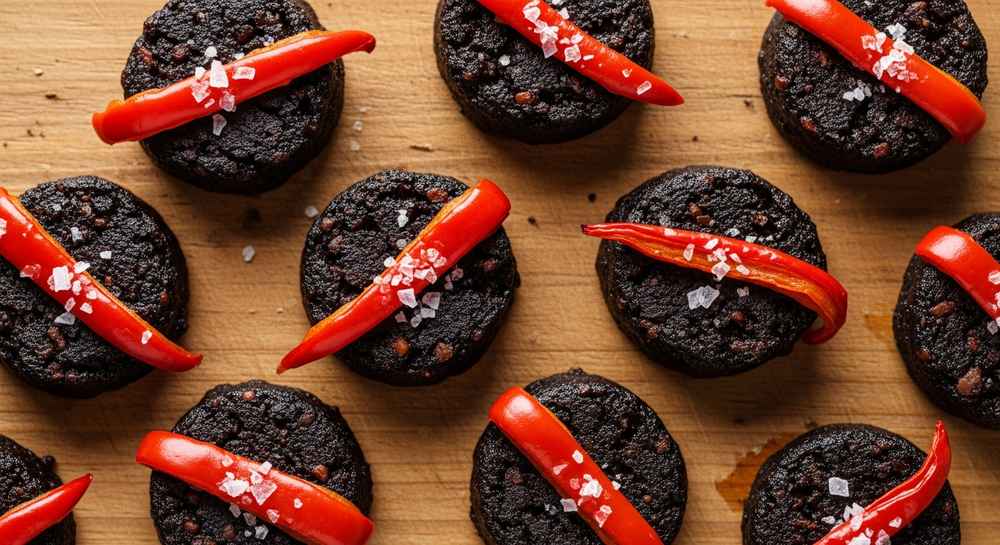
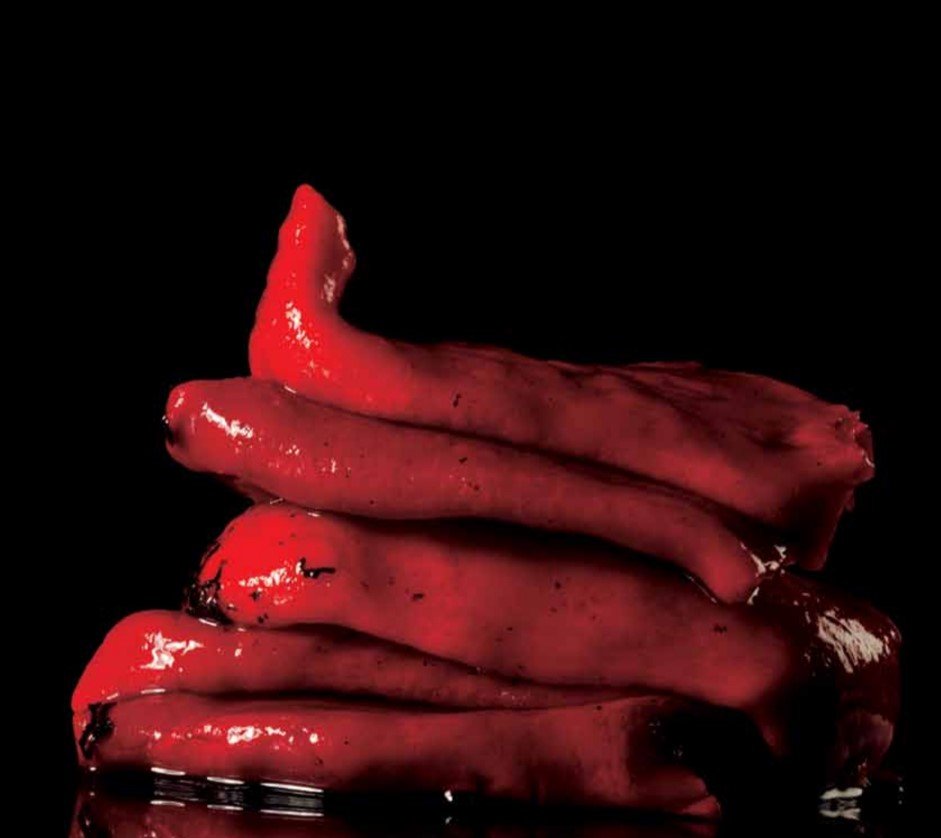
The first time I tasted real morcilla—blood sausage done right—I understood why Spanish chefs hold it in such high regard. It’s not the shock value of the ingredient; it’s the silky, mineral depth that comes from slow-curing and careful spicing. Paired with sweet roasted piquillo peppers and served as a simple bite, it becomes something elegant without any pretense. These bites are the kind of thing you make when you want to impress without fussing.
The Story Behind This Dish
Morcilla is one of Spain’s great culinary traditions, but it’s often misunderstood outside of Spain. In the regions of Castilla, Andalucía, and Navarra, morcilla isn’t a novelty—it’s a marker of heritage and careful sourcing. The best morcillas are cured for months, allowing the flavors to develop complexity that goes far beyond the initial shock of the ingredient. Premium artisanal morcilla uses pork from free-range Iberian pigs fed on acorns, combined with blood, fat, and spices in precise proportions. The sweetness comes from the acorn-fed pork; the depth comes from time and technique.
Pairing it with Piquillo peppers from Lodosa—which are hand-roasted over wood fires in the Pyrenees—shows respect for both ingredients without overcomplicating. The sweetness of the peppers balances the earthiness of the morcilla, and together they create something greater than either alone.
Ingredients
- 1 premium Morcilla Iberica de Bellota sausage (about 200g)
- 12–16 roasted Piquillo peppers (jarred is fine)
- 2 tablespoons extra virgin olive oil
- 1 tablespoon aged sherry vinegar
- 1 small shallot, finely minced
- Sea salt and freshly ground black pepper
- Optional: 1 teaspoon Spanish orange blossom honey
- Optional: fresh thyme or parsley for garnish
How to Make It
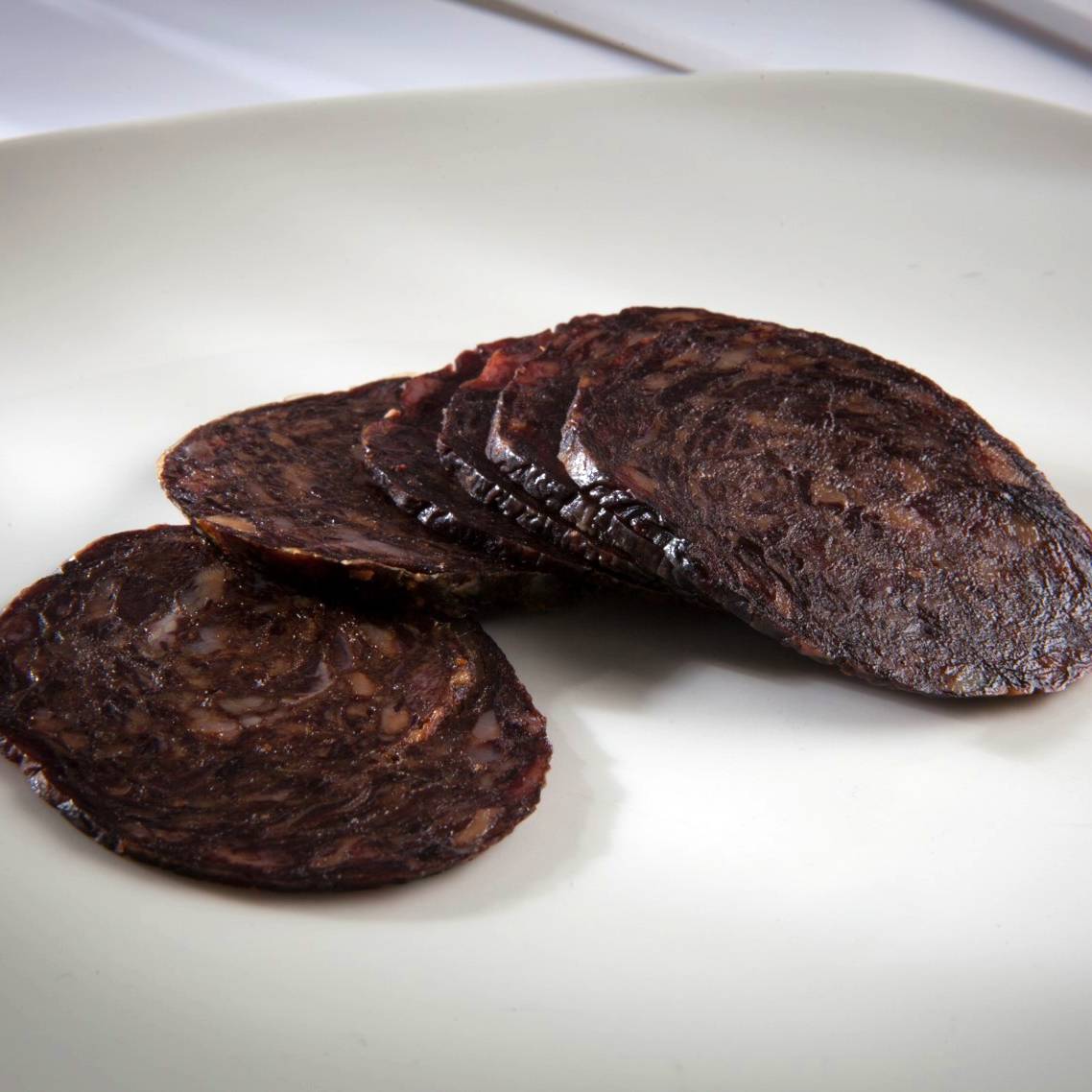
- Slice the morcilla. Morcilla has a delicate skin that can split if handled roughly. Use a sharp knife and slice the sausage into rounds about ½ inch thick. Don’t squeeze or press the slices; let the knife do the work. If the morcilla is cold, it will hold its shape better.
- Prepare the piquillo peppers. If you’re using jarred peppers, drain them gently and pat dry with paper towels. If you can find fresh piquillo peppers, roast them yourself: char over a gas flame or under a broiler until the skin blackens, then steam in a covered bowl for 5 minutes and peel. Both approaches work; jarred are more convenient.
- Make a simple dressing. In a small bowl, whisk together the olive oil, sherry vinegar, minced shallot, and a pinch of sea salt. Taste it—the acidity should be bright but not harsh. If it feels too sharp, add a touch of honey to round it out. Set aside.
- Warm the morcilla gently. You can do this in two ways: (1) Heat a non-stick skillet over medium heat, add a light brush of olive oil, and warm the morcilla slices for 1–2 minutes per side until they’re heated through and the edges begin to caramelize slightly. Or (2) Arrange the morcilla on a plate and warm it gently in a 350°F oven for 4–5 minutes. The goal is warmth and a slight golden color, not crispness—morcilla’s texture is best when it remains slightly yielding.
- Assemble the bites. Take a piquillo pepper and gently open it (they’re usually already split at the top). Tuck a warm morcilla slice inside. Don’t overstuff; one slice per pepper is right. If any peppers are torn, fold them around the morcilla instead.
- Plate and dress. Arrange the morcilla-stuffed peppers on a serving plate. Spoon the dressing around them, or drizzle lightly over the top. The shallot and olive oil should coat the plate without drowning the peppers. Grind a touch of black pepper over everything.
- Serve warm or at room temperature. These bites are excellent warm (within 10 minutes of assembly) or at room temperature about 30 minutes later. The flavors actually deepen as the dressing is absorbed.
Tips for the Best Result
- Don’t overcook the morcilla. Morcilla’s value is in its tender, almost custard-like interior. Overheating it will make it grainy and split the skin. Warm it gently and briefly. You’re not trying to crisp it; you’re just bringing it to serving temperature.
- Choose Piquillo from Lodosa if possible. These peppers are hand-roasted over wood fires in the Pyrenees, which gives them a subtle smoky depth. The quality difference from standard roasted red peppers is noticeable. Yes, they cost more; they’re worth it for a dish this simple.
- Make the dressing light. The peppers and morcilla are rich and flavorful on their own. The dressing should enhance, not mask. A light vinaigrette with shallot is ideal—it adds brightness without competing.
- Prep ahead strategically. You can slice the morcilla, drain the peppers, and make the dressing up to 2 hours ahead. Store in the fridge. But don’t stuff and assemble until 15–20 minutes before serving. Assembled bites hold well at room temperature but don’t benefit from sitting in the fridge.
- Serve as part of a larger spread. These shine alongside manchego, marcona almonds, and a glass of wine. They don’t need to be a meal; they’re perfect as one element of a composed board.
Wine Pairing
The richness of morcilla paired with the sweetness of piquillo peppers calls for a wine with body and slightly spicy notes. A young Rioja Tempranillo or Garnacha from the north of Spain works beautifully—the wine’s tannins cut through the morcilla’s richness while its fruit echoes the pepper’s sweetness. Alternatively, a chilled rosé from Navarra (a region famous for both morcilla and piquillo peppers) adds elegance and refreshment.
Frequently Asked Questions
Can I use regular chorizo instead of morcilla?
Chorizo and morcilla are quite different. Chorizo is spiced pork; morcilla is blood-based and has a different texture and flavor profile. If you’re not comfortable with morcilla, chorizo works, but it won’t have the same depth. I’d encourage you to try morcilla at least once—premium artisanal morcilla is nothing like the canned versions most people encounter.
Where do I find quality morcilla?
Premium Morcilla Iberica de Bellota is available through specialty Spanish importers and online. Look for versions from Castilla or Navarra, cured for at least 6 months. The ingredient list should be simple: pork, blood, fat, salt, and traditional spices. If it contains fillers or has a long ingredient list, skip it.
Can I make these ahead for a party?
Yes, but time it carefully. Assemble them no more than 1 hour before serving. You can keep them at room temperature on the plate, covered loosely with a kitchen towel. If you need to make them further ahead, keep the components separate and assemble to order. The bites won’t spoil, but the texture of the morcilla is best when it hasn’t been sitting for hours.
Ingredients
- Morcilla 100% Iberica de Bellota
- Piquillo Peppers from Navarra
- Breadcrumbs (Preferably Panko)
- Oregano
- Extra Virgin Olive Oil
How to prepare
- Preheat your oven to 400F
- Get a cooking tray, place foil, and a little olive oil where the items will be placed later.
- Take out the morcilla and with a knife cut about 1/4 inch slices.
- Place the morcilla slices in the tray, making sure to leave a little space between them.
- Sprinkle the morcilla slices with Panko breadcrumbs and oregano.
- Now, add the piquillo pepper, we recommend small pieces, you will place them on top of the morcilla, but feel free to venture out and cut bigger pieces.
- Sprinkle a little more breadcrumbs on top
- And place the tray in the pre-heated 400F oven for 4-minutes!

Comments